How to Choose Between Tooth Extraction and Root Canal
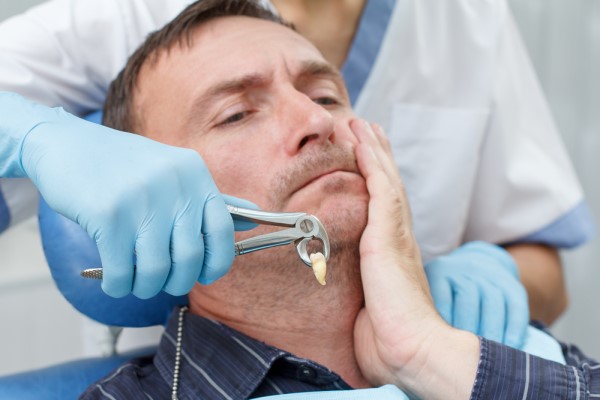
When facing severe dental pain or infection, and root canal treatment are often the two recommended solutions. However, the decision between a tooth extraction and a root canal depends on several factors. Understanding the differences between these procedures helps patients make informed decisions about their oral health, comfort, and long-term cost.
Root canal treatment: an alternative to removal
A root canal is a restorative procedure designed to save a natural tooth. During treatment, the dentist removes the infected or inflamed pulp inside the tooth. Then they clean and disinfect the inner chamber, sealing it to prevent further infection. In most cases, the dental team will place a crown over the treated tooth to restore its strength and function.
The primary benefit of a root canal is preserving the natural tooth. Helping patients keep their teeth supports proper bite alignment and jawbone health. Root canal treatment also removes infection while allowing the tooth to remain functional for several more years.
Although root canals may cost more initially than tooth extraction, they typically prevent the need for additional restorative procedures, such as implant surgery or bone grafting. Additionally, advances in dental technology have made root canal therapy more efficient and comfortable, helping to combat the negative reputation the procedure has in everyday life.
Tooth extraction: the last resort to prevent further damage
Tooth extraction is the complete removal of a damaged or infected tooth from its socket. Dentists recommend this procedure as a last resort, when a tooth is severely decayed, fractured below the gum line, or compromised beyond repair. In cases of advanced periodontal disease, patients may also need tooth extraction to prevent the spread of infection to surrounding tissues.
One of the primary benefits of tooth extraction is that it immediately removes the source of the patient's infection and pain. The procedure is generally straightforward and may cost less upfront than a root canal. However, removing a tooth creates a gap that can affect chewing efficiency, speech, and the alignment of surrounding teeth.
Additionally, after tooth extraction, many patients require a replacement option, such as an implant crown, a dental bridge, or a partial denture. These restorative treatments add to the overall cost and treatment timeline. Without replacing the missing tooth, the neighboring teeth may shift, leading to bite problems and potential jaw discomfort.
What the dental team will evaluate
Deciding which treatment is best requires a thorough examination. The dental team reviews several factors to find the right fit, including:
- The total amount of healthy enamel above the gum line
- The overall stability and health of the surrounding gum tissue
- The presence of any vertical cracks that reach the tooth root
- The patient's age and general health
- The long-term success rate of a root canal
- The alignment and function of the rest of the dental arch
Each of these elements helps determine if the tooth can withstand daily chewing forces after a repair.
How to plan for long-term restoration
If the dental team determines that the patient's best option is a tooth extraction, they will need to find a tooth replacement to maintain proper oral function. As previously mentioned, there are several ways to fill the gap and keep the smile healthy. Whether the patient chooses an implant crown, a dental bridge, or a partial denture, deciding on a tooth replacement in advance helps avoid complications associated with permanent tooth loss.
Find relief from infection and dental pain today
Choosing between a tooth extraction and a root canal is more than fixing your current toothache. It is about protecting your smile's long-term health. No matter the option you choose, the Modern Dental Care team is here to provide a clear plan. Call our East Windsor office today to schedule an appointment to find the relief you need.
Request an appointment here: https://moderndentalnj.com or call Modern Dental Care at (609) 454-0093 for an appointment in our East Windsor office.
Check out what others are saying about our dental services on Yelp: .
Related Posts
Many people wonder when to call an emergency dentist for cuts, tears, or bites to the lips, cheeks, tongue, and gums. While these soft tissue injuries can look scary, prompt dental care can protect comfort, reduce infection risk, and save teeth. A general or family dentist who handles urgent cases can guide this care right…
Dental veneers can transform a smile by covering stains, small chips, uneven edges, or minor gaps. These thin porcelain shells are designed to blend with natural teeth, creating a smoother, more balanced look. Although they are strong, they still need the right daily care to stay polished and attractive. Our dentist seeks to help patients…
If you are tired of waking up each morning with a tight jaw or a dull headache, dental Botox may offer the relief you need. Living with the constant ache of a temporomandibular joint (TMJ) disorder makes it difficult to enjoy daily life. Fortunately, modern dental treatments now provide a way to break the cycle…
Clear aligners are nearly invisible and allow people to straighten their teeth discreetly. Aligners are most suitable for patients who can commit to treatment. It is crucial to follow treatment guidelines for quick and effective results. Read on to learn more about your role in clear aligners treatments.Aligners are clear, plastic-like trays that are worn…